


Technoference is Stifling Our Students
- Nov 17, 2025
- 4 min read
Trump World is a stressful place to live especially if you are a person of color, part of the LGBTQ+ community, a Muslim, a woman, or a non-white immigrant. Add poverty or disability to the list and the stress increases. Donald Trump’s hate-filled rants and indiscriminate executive orders targeting any person or group he doesn’t like has produced an increase in hate crimes and violence, both physical and verbal, and along with it deteriorating mental health for just about anyone who is paying attention to what is going on.
Our schools are microcosms of the world we live in, so it is perfectly normal for the toxic stew that swirls in the macrocosm dribbles, or maybe gushes, into the lives of children and adults at school. All of us in the education field have heard, or heard of, children saying mean things to peers who come from a group that Trump has targeted.
Contributing to this fracture are social media and the screens through which we access each other. Social media is rife with examples of bad behavior, much of it emanating from influential people. Take for example, the social drama that unfolded on X between Donald Trump and Elon Musk as they publicly and childishly ended their consequential bromance on June 5th of this year. In Stuck in Our Screens, I write about adolescent social drama and then link the concept to adults. The Musk-Trump episode which they performed live for the whole world is classic adult social drama. On display was overreaction, pettiness, baiting, excessive emotion, and manipulation, all the stuff of adolescent social drama, but worse because it was social drama on steroids.
We need to take a breath.
It’s time to get screens out of our classrooms and our lives as much as possible. That means children don’t read from screens, they read from books and printed text on paper. They need to write on paper, not just type on a keyboard. They need to be creative and facile with pencils, paint, markers, pens, and surfaces other than a screen. We must support state efforts to ban cell phones from schools. We need to advocate for phone-free childhoods, and we need to reduce our use of computers in the classroom.
Having spent most of my life teaching or studying behavior, two movements stand out as ways to reset. The more recent one is the effort to teach social emotional skills in our classrooms. These skills facilitate successful social interactions. They support learning how to assess and control difficult emotions. They give students the tools to manage disagreements with their peers. They give kids the words they need to express themselves. Social emotional competencies are the soft skills that allow us to have relationships with our fellow humans, something that we are losing as we live in our screens.
The other movement goes back a few years, and it focuses on what humans need to have going on in their lives as they are growing up. They are called Developmental Assets and there are forty of them. They are divided into internal and external. An asset is an experience, a relationship, an activity, a norm, a value, or a skill that all youth need to become a successful human being. The assets are items that require doing, not avoiding, and they can’t happen without human interaction, youth with youth, but especially youth with adults.
Developmental Assets take root in rich, supportive, and interactive environments. Youth have good communication with parents, but also with adults outside the immediate family. They experience school as encouraging and safe. They participate in activities outside of school and the home such as music or art activities, have a positive religious affiliation, and provide service to the community. Adults in their orbit see them as positive contributors who are responsible for their decisions, know how to make and achieve goals, and are resources to others in the community. Youth high in assets are active, involved, and engaged. They aren’t stuck in their screens. They don’t confuse reality TV with the real world. They have lots of positive adult role models in their lives, and they spend time reading for pleasure every week. Nowhere in the 40 Developmental Assets does it mention spending time staring at a screen.
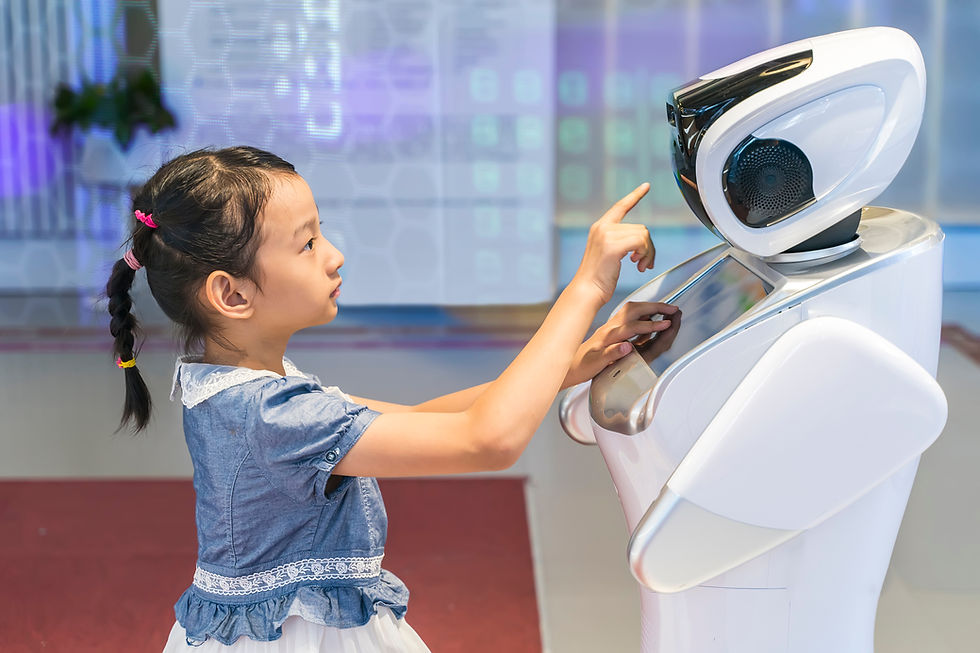
Consider for a moment what a room full of kids, or kids and adults often look like in this moment. Just about everyone is looking at a screen, often a cell phone, but sometimes individual computers attached to headsets. The name for this intrusion in our lives is called technoference, and it’s rampant wherever humans gather. It’s apparent in schools, restaurants, family gatherings, parties, and at the dinner table, and when we are on screens, we are not interacting with the people around us.
Healthy human relationships are at risk because we have too many screens in front of our faces. Relationships need tending and when we aren’t tending them, the skills needed to nurture relationships get rusty. We need to look at each other and talk to each other. That’s the only way we learn how to be humans, which is what all of us who are educators do everyday.


Comments